
Why do we so frequently use clinical case scenarios in satellite symposia?
There’s a short and a long answer to this question. The short answer is: ‘Because they are engaging’. Yes, it’s as simple as that – the real-world* clinical cases will keep your audience’s attention for as long as the discussion continues.
(* or close to real-world, see Do’s and Don’ts.)
If you use case discussions in every event, you probably already know everything about their power. If you don’t, the long answer below is for you! Please let us know what you think in the comments.
Bridging theory and practice
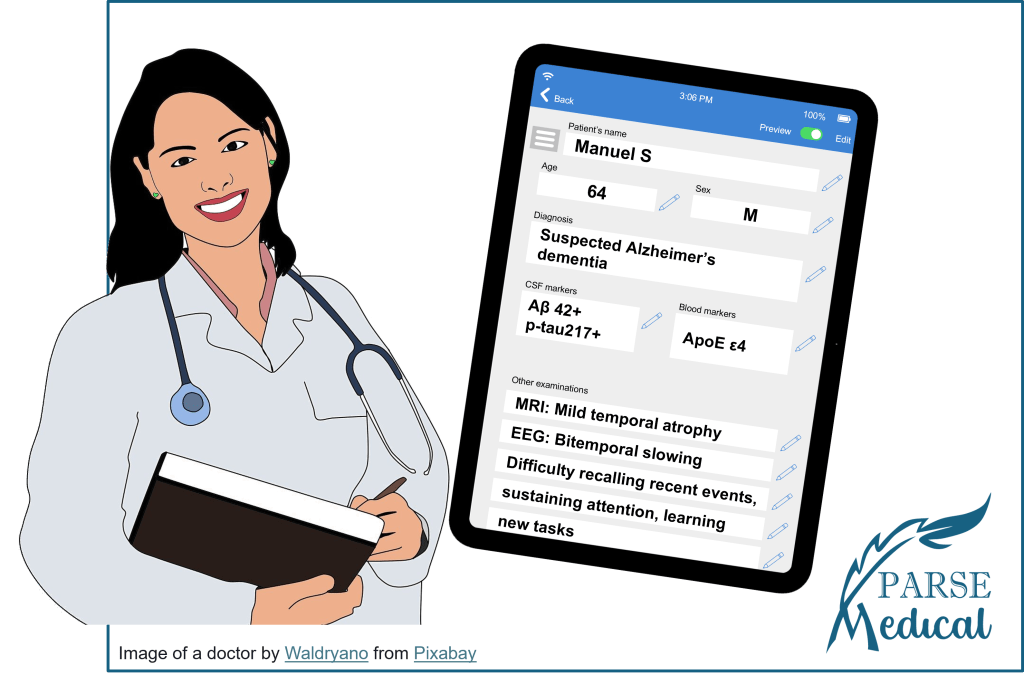
Clinical case scenarios create a vital bridge between theoretical knowledge (for example, a guideline algorithm) and a real-world situation that participants are likely to encounter in their daily clinical practice. Guidelines tell us what should be done. By following the decision making in the specific case, we learn how and when it should be done.
Promoting active learning
If you are not using audience polling during clinical case discussions, you are not doing it right! The cases give you a singular opportunity to transform passive listeners into active participants, encouraging them to analyse symptoms, perform a differential diagnosis, and chose appropriate treatment options. Seeing how their peers voted triggers self-reflection and may even lead to continued debate after the presentation is over.
Helping your audience think critically
The complexity and ambiguity of real-world clinical cases challenge the audience to think critically and systematically. They must pay attention to the information provided by the presenter, reflect on their past experience and on the new knowledge acquired during the event, consider multiple possibilities, and justify their reasoning. You will not get the same level of engagement and learning through lectures alone.
How to maximise the impact of clinical case scenarios
Choose cases strategically. Select cases that align with your learning objectives and are relevant to your audience.
Structure the presentation. Start with patient characteristics and medical history, then reveal relevant information stepwise, mimicking a real-world timeline.
Incorporate audience polling and other technology. Enhance engagement by using real-time audience polls, virtual reality simulations, or online platforms.
Remember your conclusions. Always conclude case discussions: summarize key learning points, highlight important clinical aspects, and connect the case back to your lecture. This approach will consolidate learning and increase the chances of the participants applying insights to their own practice.
Finally, here are a few Do’s and Don’ts

As the bottom line, if not done already, you should add clinical case scenarios to your medical education toolbox! Case discussions can transform learning experiences, facilitate active engagement, help participants develop critical thinking skills, and bridge the gap between knowledge and practice in ways that traditional lectures cannot match.
Remember: effective case discussions require preparation and skilled facilitation. Aligning the case with your objectives, structuring the presentation well, and inviting the audience to meaningfully contribute to discussions will help maximise the impact of your medical education event.
 Parse Medical | Consultancy services for Medical Affairs and Medical Communications
Leave a comment